
- July 12, 2026
- Xirons
- 0
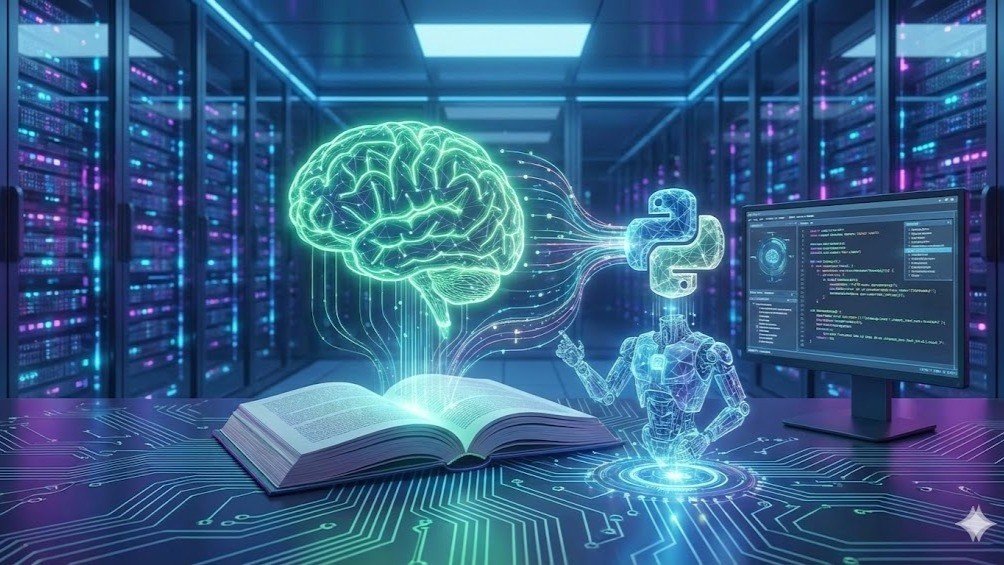
AI for Kids vs Python Programming: Which Course Should Your Child Learn First?
Python Programming teaches children how to write real code and build applications, games, and automation projects. AI for Kids teaches how artificial intelligence works, how machines learn from data, and how AI can be used to solve real-world problems. While Python is often the best starting point for beginners, AI becomes much more meaningful once children have a solid programming foundation.
If you’re deciding between Python and AI for Kids, this guide explains the differences, how the two subjects connect, and which learning path is likely to suit your child best.
Python vs AI for Kids: Quick Comparison
Feature | Python Programming | AI for Kids |
Main Focus | Learning programming | Understanding and building AI projects |
Recommended Age | 9–16 | 9–16 |
Programming Required | Yes | Usually uses Python for practical projects |
Typical Projects | Games, quizzes, automation, applications | Chatbots, image recognition, recommendation systems, beginner AI models |
Skills Developed | Coding, debugging, logical thinking | AI literacy, machine learning concepts, ethical AI, data thinking |
Best Starting Point | Beginners learning real programming | Children with basic Python knowledge or strong coding confidence |
What Does Python Programming Teach?
Python is one of the world’s most popular programming languages and an excellent introduction to text-based coding.
Children learn programming concepts including:
- Variables
- Loops
- Conditional statements
- Functions
- Problem-solving
- Debugging
As their confidence grows, they build projects such as:
- Interactive games
- Quizzes
- Calculators
- Simple applications
- Automation tools
Python develops the programming skills that support many future technology careers, including software development, robotics, cybersecurity, and artificial intelligence.
What Does AI for Kids Teach?
Artificial Intelligence courses help children understand how intelligent computer systems work.
Rather than simply using AI tools, children explore the ideas behind them through engaging, age-appropriate projects.
Topics often include:
- What Artificial Intelligence is
- How machines recognise patterns
- The basics of machine learning
- Training simple AI models
- Responsible and ethical AI
- How AI is used in everyday life
Depending on the child’s experience, projects may also include Python programming to build simple AI applications.
The focus isn’t on advanced mathematics or university-level theory—it’s on helping children understand how AI works through practical exploration.
Why Python Is Often the Best Starting Point
Although AI is exciting, most practical AI projects involve programming.
Learning Python first allows children to:
- Understand programming fundamentals
- Build confidence writing code
- Solve problems independently
- Read and modify AI examples more easily
Instead of learning programming and AI concepts at the same time, children can build one foundation before exploring more advanced technologies.
For many learners, this makes the experience more enjoyable and less overwhelming.
Can Children Learn AI Without Python?
Yes, to a certain extent.
Children can learn:
- What AI is
- How machine learning works
- How recommendation systems function
- Why AI sometimes makes mistakes
- The importance of ethical AI
without extensive programming knowledge.
However, children who want to create their own AI projects will benefit greatly from learning Python first.
That’s why many learning pathways introduce Python before moving into hands-on AI development.
Which Course Should Your Child Choose?
Choose Python Programming if your child:
- Is new to text-based coding
- Wants to build games and applications
- Enjoys logical problem-solving
- Needs a strong programming foundation
- May want to explore AI, robotics, or software development later
Choose AI for Kids if your child:
- Is fascinated by Artificial Intelligence
- Already has some Python experience or strong coding confidence
- Wants to understand how AI works behind the scenes
- Enjoys experimenting with new technologies
Can Children Learn Both?
Absolutely.
Python and AI complement each other.
Python provides the programming skills needed to build AI applications.
AI gives children exciting ways to apply those programming skills to real-world technologies.
Many learners naturally progress from Python into AI as their confidence grows.
How Xirons Helps Children Progress
At Xirons, we see Python and Artificial Intelligence as two stages of the same learning journey rather than competing courses.
Every learner begins with a free 1:1 assessment class, where we evaluate their previous coding experience, confidence, problem-solving ability, and interests before recommending the most suitable pathway.
Children who are new to programming usually begin in our Core Programming Pathway, where they build strong Python skills through live, tutor-led, project-based lessons.
As they become confident programmers, many progress into our Future Technologies Pathway, where they explore Artificial Intelligence, machine learning concepts, automation, and advanced real-world projects.
This structured progression allows children to build confidence gradually while developing practical skills that prepare them for future technologies.
Key Takeaways
- Python teaches children how to program.
- AI for Kids teaches how Artificial Intelligence works and how to build simple AI projects.
- Python is usually the best starting point for beginners.
- AI becomes much easier once children understand basic programming.
- A personalised assessment helps identify the right starting point for every learner.
Frequently Asked Questions
1 Does my child need Python before learning AI?
Not always.
Children can learn basic AI concepts without programming, but Python makes it much easier to build practical AI projects and understand how AI systems work.
2 Is AI for Kids just about using AI tools?
No.
A good AI course teaches children how AI works, how machine learning recognises patterns, and how AI systems are built—not simply how to use existing tools.
3 Is AI harder than Python?
AI often introduces more advanced concepts, which is why many learners find it easier after gaining confidence with Python programming first.
4 Which course is better for future careers?
Both are valuable.
Python is widely used across software development, automation, data science, and AI, while AI knowledge helps children understand one of today's fastest-growing technologies.